-
Standing Seam Metal Roofing in Erie, PA
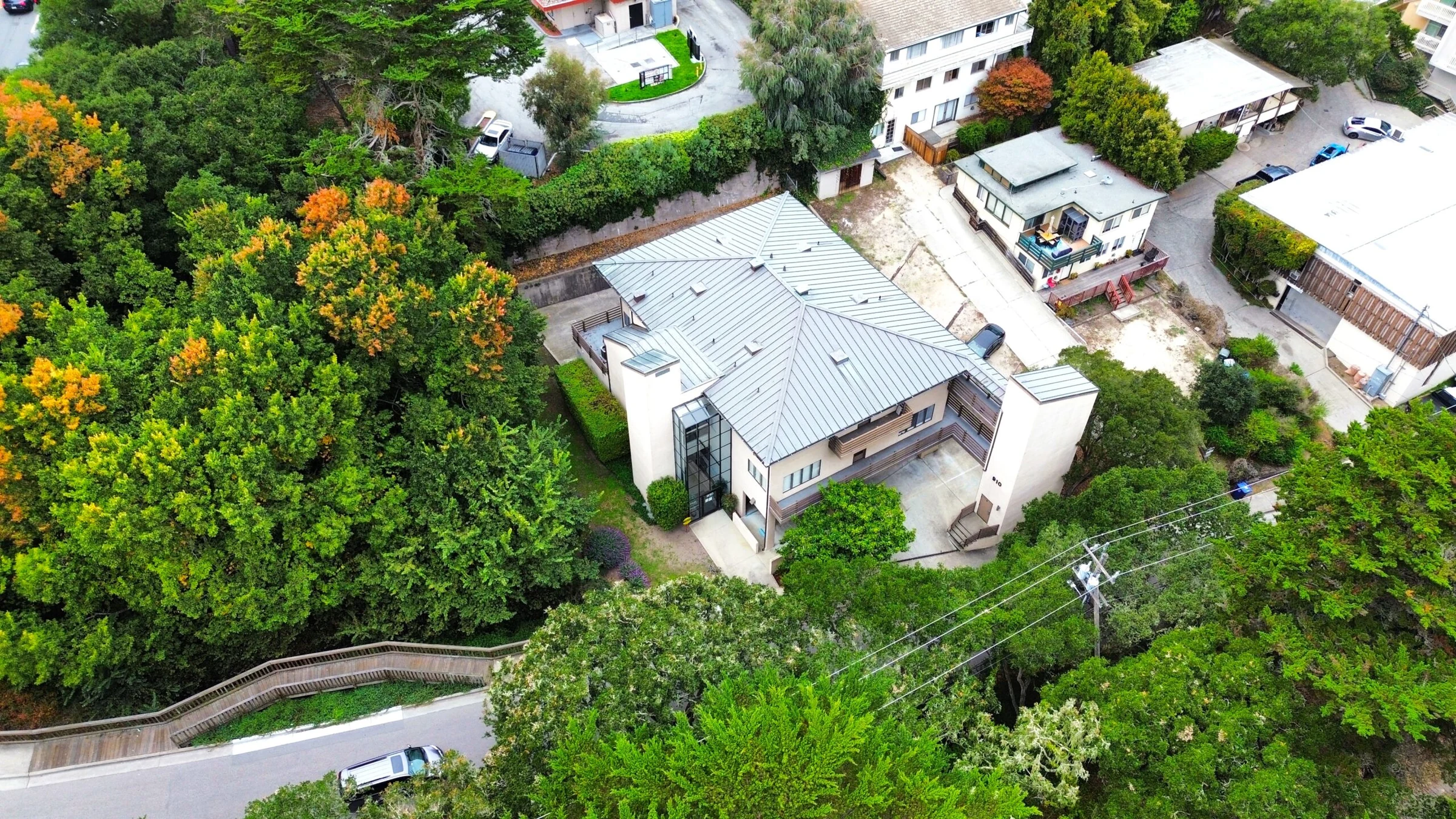
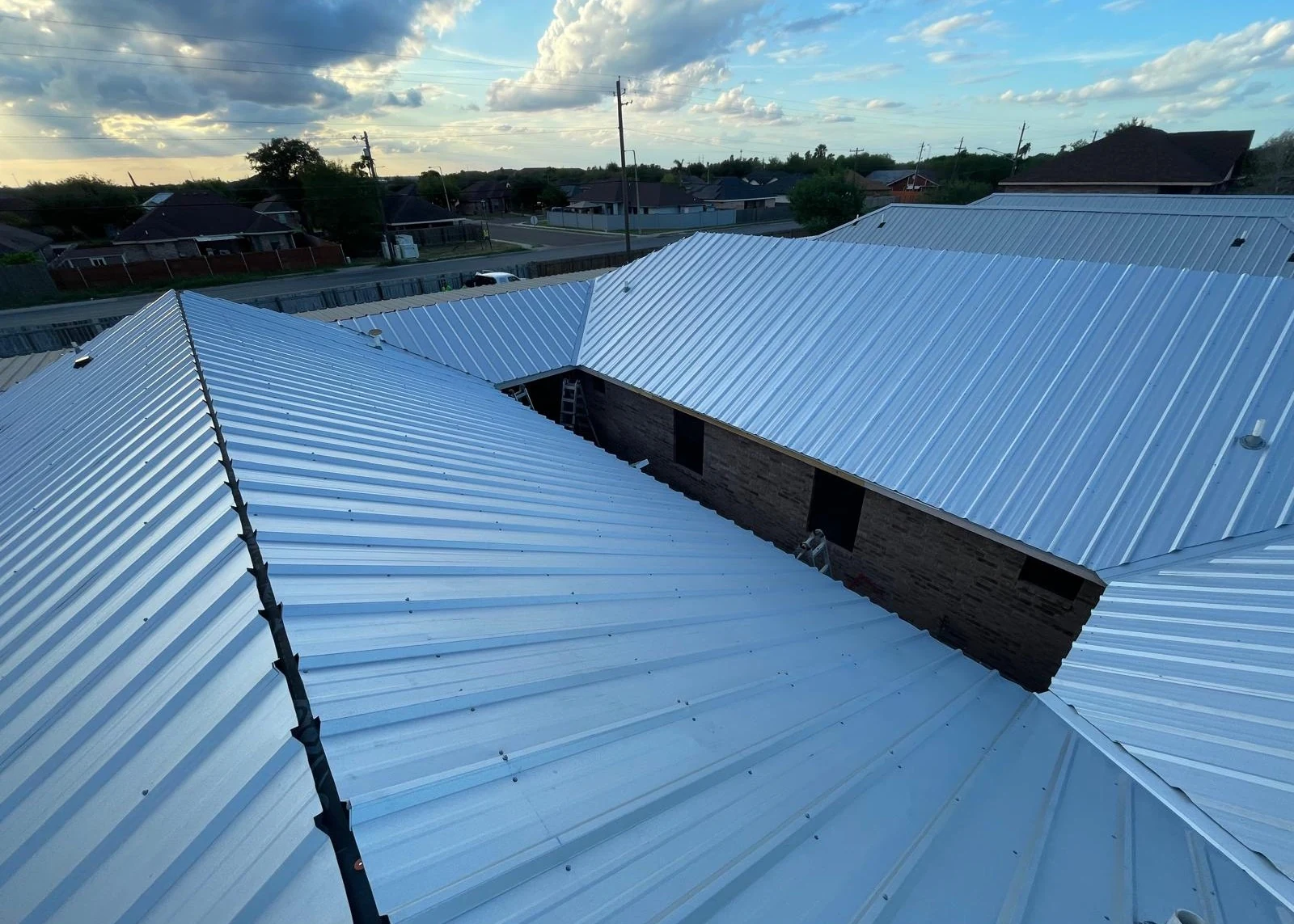
Standing Seam Metal for Meadville's Steep-Slope Buildings
Away from Erie's flat-roof commercial core, standing seam metal covers a lot of the steep-slope construction around Meadville, Edinboro, and the smaller rural boroughs stretching toward Corry and Union City — university buildings, tool-and-die shops, and institutional structures built with a pitched roof rather than a low-slope membrane field.
Snow-Shedding Is the Whole Design Problem
A steep-slope metal roof behaves nothing like a flat membrane roof in a lake-effect winter. Instead of holding snow load across the field the way TPO or EPDM does, standing seam metal is designed to shed it, and that shedding behavior has to be engineered deliberately, not left to chance. Where that snow sheds matters as much as whether it sheds: a roof dumping several feet of snow onto a walkway, loading dock, or parked-car area below is a hazard we design around from the start.
Panel profile, seam height, and roof pitch all affect how fast and how far snow releases off a standing seam field, and we account for that release pattern before a panel ever goes up, not after the first big storm.
Snow Guards and Controlled Release
On buildings where uncontrolled snow shedding would put people or property at risk — entrances, loading areas, HVAC equipment below the eave line — we install snow guard systems that hold accumulated snow on the roof and release it in smaller, controlled amounts rather than one large slab sliding off at once. Getting snow guard spacing and load capacity right matters more here than in most climates, given how much snow a single Erie lake-effect event can stack up on a pitched field.
Reflective Coatings and Rooftop Heat
Standing seam metal takes reflective coatings well, and a coated metal roof cuts summer heat gain on buildings where that matters — university buildings around Edinboro and Meadville with occupied upper floors under the roof deck, for instance. The energy conversation on metal is a little different from membrane roofing: because metal conducts heat efficiently, insulation detailing at the roof-to-wall assembly matters as much as the coating itself for controlling both summer heat gain and winter heat loss.
Panel Attachment and Thermal Movement
Standing seam panels expand and contract with temperature more than most roofing materials, and Erie's swing from summer heat to deep winter cold puts real thermal cycling stress on panel clips and seams over a roof's service life. We use floating clip systems that allow panels to move independently of the structure beneath them, which is what keeps seams from working loose or panels from oil-canning as they cycle through decades of Erie's temperature range.
Longer panel runs see more cumulative expansion and contraction than shorter ones, so panel length and clip spacing get evaluated together rather than as separate decisions. A building with a long, unbroken roof plane — a gymnasium or warehouse-style structure, for instance — needs a clip layout engineered for that specific run length, not a generic spacing pulled from a shorter reference building.
Where Standing Seam Covers the Region
- Meadville's tool-and-die shops and institutional buildings
- Edinboro's university and lakeside commercial structures
- Corry and Union City's manufacturing and civic buildings
- North East's food-processing and agricultural facilities
- Waterford's historic village commercial buildings
- Rural municipal and fire hall structures countywide
Ice Buildup at Eaves and Valleys
Even a well-designed snow-shedding roof can develop ice buildup at eaves and valleys when a warm spell partially melts accumulated snow before the next freeze locks it back in place. That cycle repeats through most Erie winters, and it's the reason eave and valley flashing detail gets extra attention on every standing seam install and inspection we do, since that's where ice dams are most likely to force water back up under a panel lap.
Panel Gauge and Finish Selection
We spec heavier-gauge panel on buildings that see repeated snow-load cycling year after year, since thinner gauge material is more prone to denting from ice fall or maintenance foot traffic and, over time, more susceptible to fatigue at the seam line. Finish selection matters too — a quality Kynar or similar fluoropolymer coating resists fading and chalking through decades of UV exposure far better than a basic painted finish, which keeps both the reflective performance and the appearance intact long after a cheaper coating would have degraded.
On institutional buildings around Meadville and Edinboro where the roof is a visible part of the campus, that long-term finish stability matters to facilities managers as much as the underlying weather performance does.
Common Standing Seam Questions
Do I need snow guards on every standing seam roof in this area?
Not every roof, but any building with entrances, walkways, or equipment directly below an eave line should have them. We evaluate the release path before recommending against them.
How does standing seam handle Erie's freeze-thaw cycle compared to membrane roofing?
The floating clip attachment system is built specifically to absorb thermal movement, which handles freeze-thaw cycling better over the long run than a fixed-attachment system would.
Can standing seam metal roofs get reflective coatings later?
Yes. A coating can be applied to an existing metal roof to improve reflectivity and extend the finish's service life without a full panel replacement.
What causes oil-canning on standing seam panels?
Usually a combination of thin panel gauge, inadequate clip spacing, or thermal stress from a fixed rather than floating attachment. Proper clip systems and panel gauge selection prevent most of it.
How do you prevent ice dams at the eaves on a metal roof?
Proper eave flashing detail, adequate attic or roof-deck insulation to reduce uneven melt-refreeze cycling, and ventilation design all play a role. We evaluate all three before finalizing an install.
Ready to review the roof scope?