-
Commercial Roof Coatings in Erie
Acrylic Coatings for Metal Roofs Across Rural Erie County
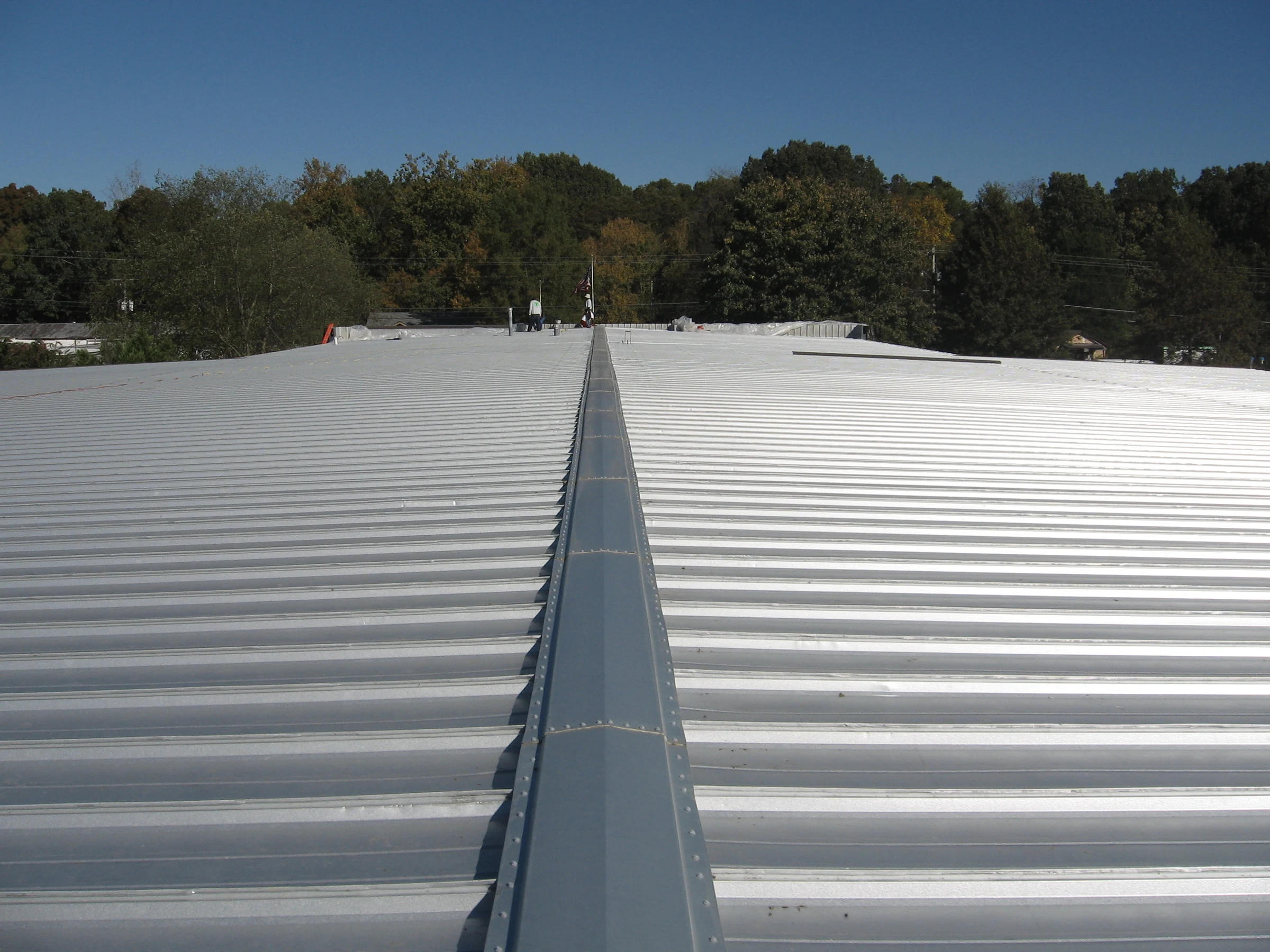
A coating recommendation starts with adhesion, moisture, drainage, membrane condition, detail preparation, and warranty eligibility—not every existing roof is a restoration candidate. Out in West Springfield, Mill Village, Wattsburg, and the other small rural boroughs south and east of Erie proper, a lot of what's overhead is aging metal roofing on farm buildings, storage structures, and small commercial shops. Acrylic coating is our go-to restoration option for that roof stock, because it's an economical, proven way to extend a metal roof's life without the cost premium of silicone.
Where Acrylic Beats Silicone on Cost
Acrylic coatings cost less than silicone per square foot in most cases, and on a roof that isn't dealing with chronic ponding water, that lower cost doesn't come with a meaningful performance trade-off. Metal roofs on ag buildings and rural light-industrial structures typically shed water well since they're already sloped, which means the specific ponding-resistance advantage silicone offers doesn't apply the same way it does on a flat institutional roof. For that building type, acrylic is usually the smarter budget call.
UV Protection for Faded, Chalking Metal
Years of sun exposure on an unpainted or aging painted metal roof leads to chalking and fading finish, and eventually to the base metal being more exposed to weathering than it should be. Acrylic coating restores a protective, UV-resistant surface over that aging finish, which slows further degradation and gives the roof a cleaner appearance without stripping and repainting the panel.
We see this most on older farm buildings and storage structures around Wattsburg and Mill Village, where the roof has been up for decades and the original finish has chalked down to bare or near-bare metal in spots.
Reflectivity and Building Heat
A reflective acrylic coating cuts interior heat buildup in metal buildings during summer months, which matters for any structure storing equipment, inventory, or livestock feed sensitive to heat. It's a straightforward energy benefit with a fast payback on buildings that see real summer heat load under an uninsulated metal roof.
Through Erie's winter, that same reflectivity has minimal downside on most of these buildings, since many rural ag and storage structures aren't heated the way an occupied commercial building is, so the winter heat-retention trade-off that matters on occupied buildings is less of a factor here.
Why Acrylic Isn't the Right Call Everywhere
Acrylic coatings don't hold up as well as silicone under sustained standing water, so we don't recommend them on flat roofs with known drainage problems or on metal roofs with low-slope sections where water sits. For the sloped metal roofs common on rural ag and light-industrial buildings, that limitation rarely comes into play, but it's the deciding factor when a building's roof geometry includes flatter transitions or valleys prone to ponding.
Where Acrylic Coating Fits Best
- Farm and agricultural buildings across the rural townships
- Storage and equipment buildings near Wattsburg and Mill Village
- Older metal roofs on small commercial shops
- Fairgrounds and municipal storage structures
- Barns and outbuildings with sloped metal roofing
- Light-industrial buildings with well-draining metal panel roofs
Application and Recoat Cycles
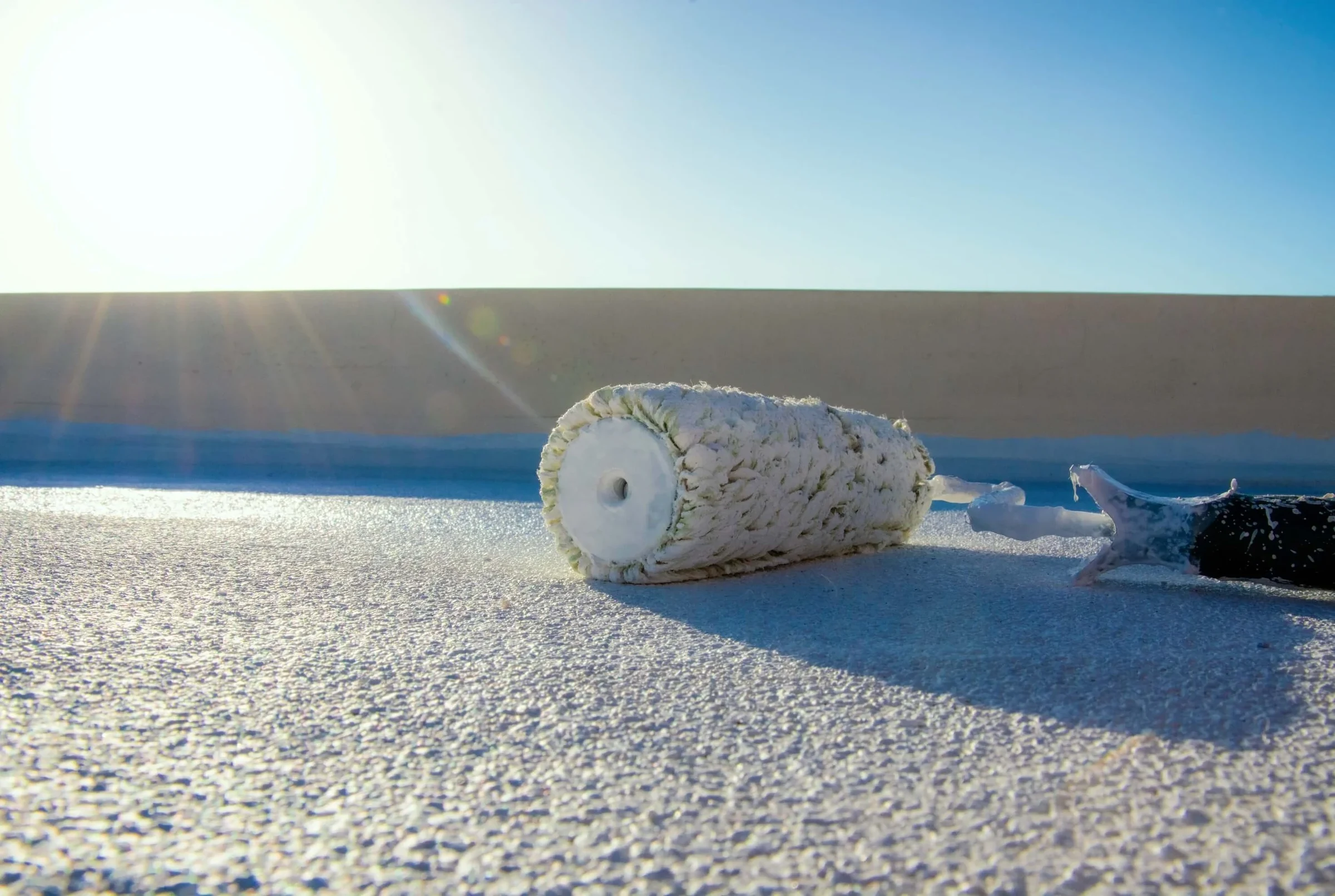
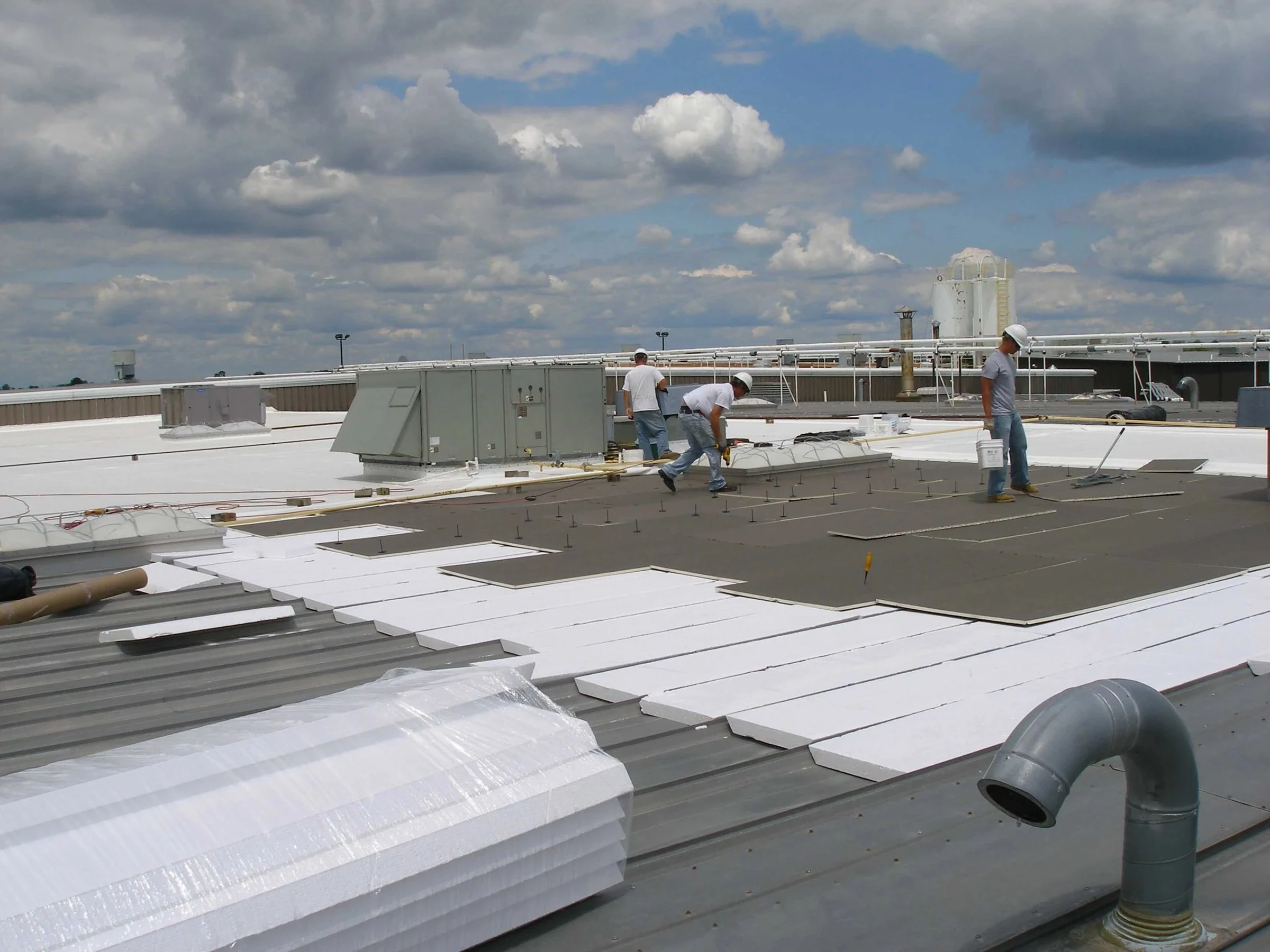
An acrylic coating project starts with a wash to remove chalking residue, rust treatment on any corroded fasteners or seams, and a primer coat where bare metal is exposed. The finish coat goes on at a thickness matched to the roof's exposure and condition. Recoat cycles come sooner with acrylic than with silicone, and we set owners up with a realistic maintenance schedule rather than treating the first coating as a one-time fix.
Livestock and Equipment Buildings: A Practical Case
A lot of the ag buildings we coat around Elgin, Platea, and Venango store equipment, feed, or house livestock, and the interior temperature swing under an uncoated metal roof affects whatever's underneath more directly than it would in a typical commercial building. A dark, unpainted roof absorbing full summer sun can push interior temperatures well above ambient, which matters for feed storage and livestock comfort alike. Coating that roof white or light-colored knocks that peak interior temperature down measurably, without any structural work to the building itself.
It's one of the more straightforward return-on-investment conversations we have with rural property owners, since the coating cost is modest relative to what a heat-stressed building can cost in spoiled feed or animal welfare concerns.
Common Acrylic Coating Questions
Is acrylic coating strong enough for a roof that sees heavy snow?
Yes, snow load itself isn't the concern with acrylic. The limitation is standing water exposure, which is a separate issue from how much snow accumulates and sheds off a sloped metal roof.
How long does an acrylic coating last on an older farm building roof?
It depends on exposure and the roof's starting condition, but acrylic generally needs recoating sooner than silicone. We build that into a realistic long-term maintenance plan rather than a one-time application.
Can acrylic coating fix a rusted metal roof?
It can restore protection to a roof with surface rust and chalking, provided the metal hasn't corroded through structurally. We treat active rust before coating over it.
Why would I choose acrylic over silicone for my building?
Cost, mainly, on a roof that doesn't have chronic ponding water. Sloped metal roofs that drain well don't need silicone's ponding resistance, so acrylic delivers comparable value at a lower price point.
Does acrylic coating work on both new and older metal roofs?
It works on both, though older roofs need more prep work — rust treatment, chalking removal, and priming — before the finish coat goes on.
Ready to review the roof scope?