-
Multifamily Apartment Roofing in Erie, PA
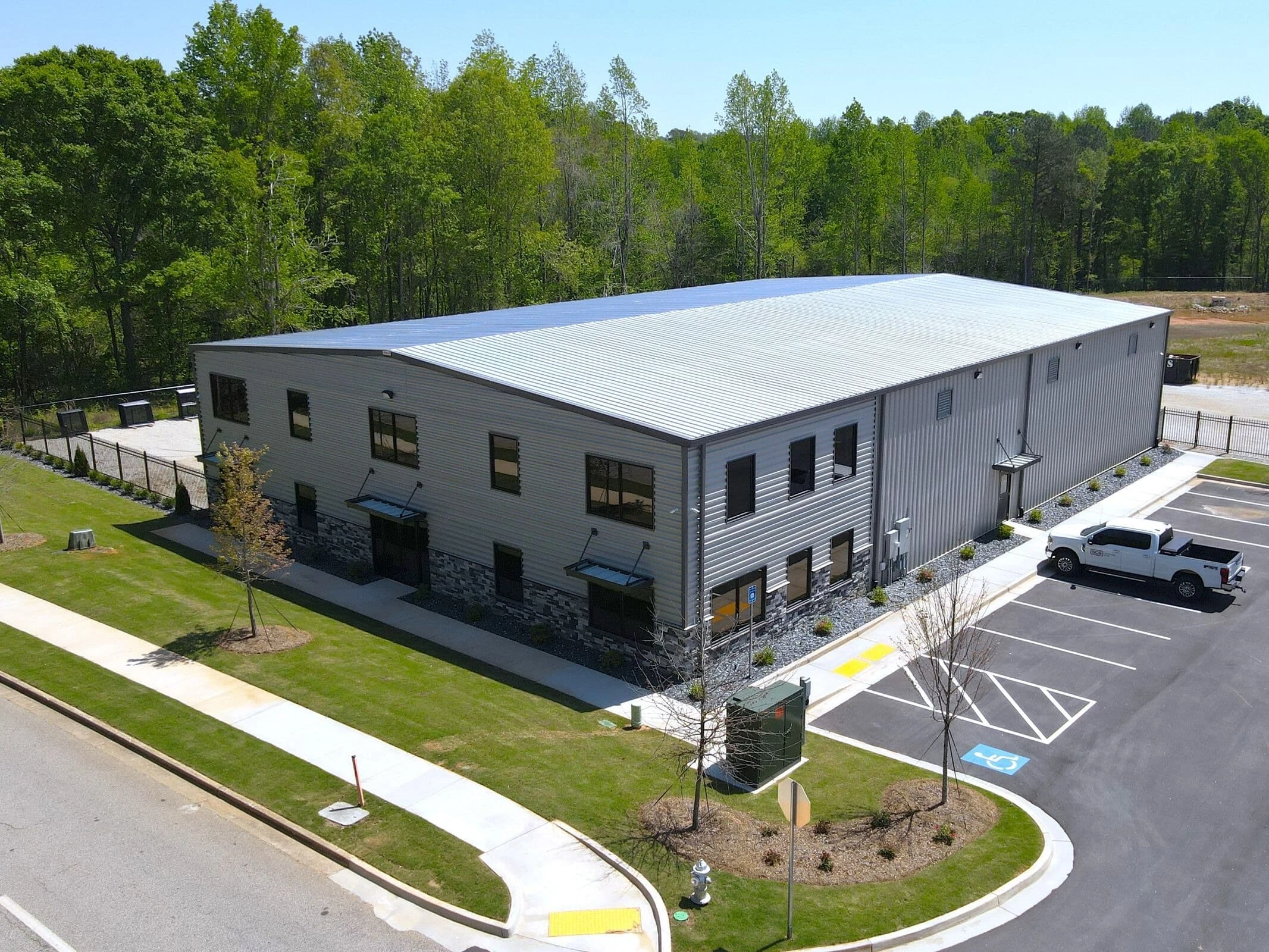
Apartment Roofs Where a Leak Reaches Someone's Living Room
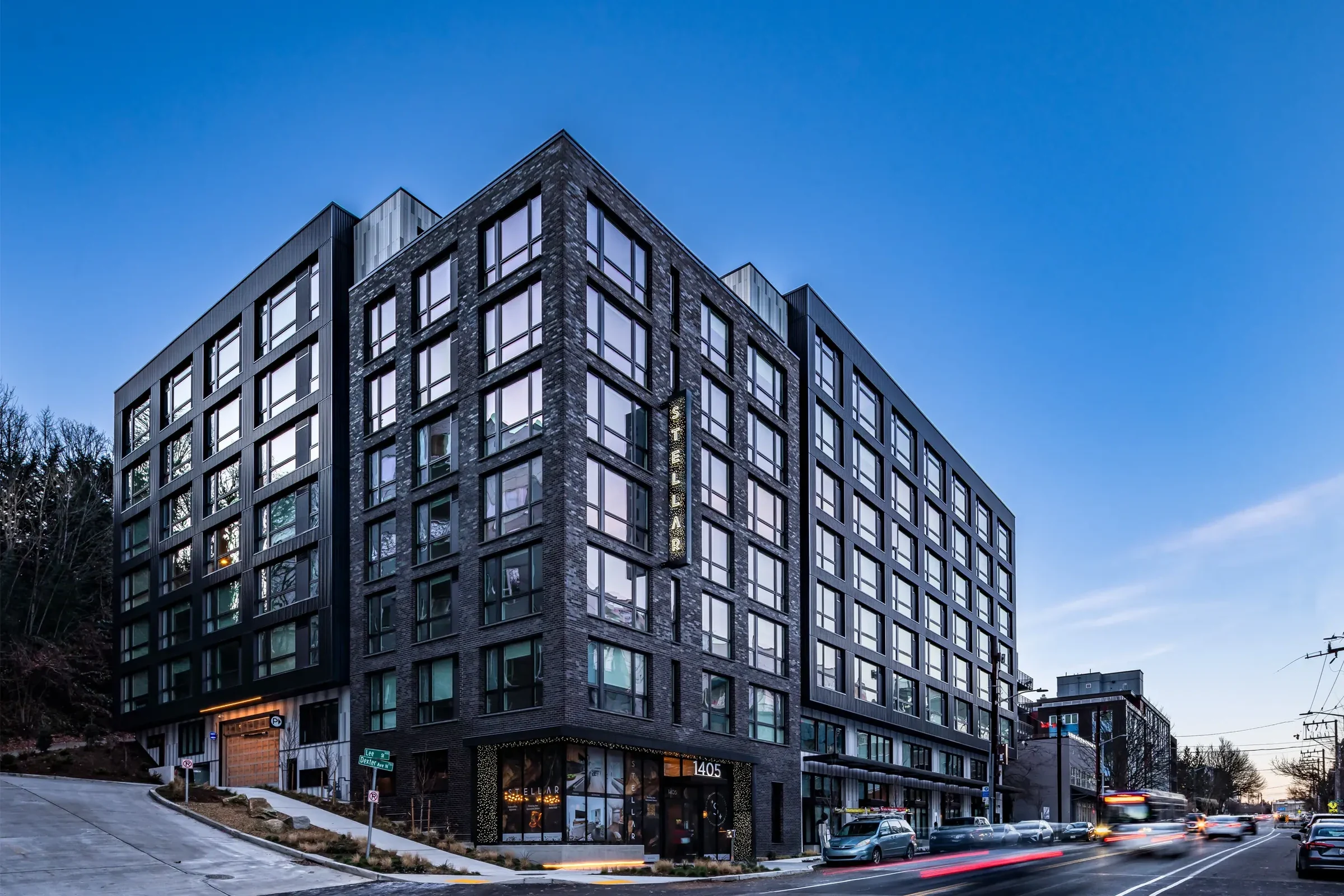
The garden-style apartment complexes around Millcreek and the loft conversions filling in older downtown Erie buildings both sit occupied year-round, which means a roof problem here isn't an abstract maintenance concern, it's water reaching a resident's ceiling, walls, or belongings within hours of a failure starting. Lake-effect winters put real pressure on low-slope apartment roofs through ice damming, and the insulation and ventilation performance above occupied units determines whether that pressure turns into a leak or stays a manageable seasonal condition.
Ice Damming Over Occupied Units Is a Tenant Relations Problem
Heat escaping unevenly through roof insulation above an apartment unit melts snow from below even when the outside air is well below freezing, and that meltwater refreezes at the eave into ice that backs water up under the membrane and toward interior ceilings. On an occupied apartment building, that sequence plays out directly above someone's bedroom or living room, and by the time a resident reports a stain, the ice dam has often been building for days.
We check for insulation gaps and thermal bridging above individual units as part of a winter inspection, since uneven melt patterns visible in the snow from the parking lot are often the earliest warning sign, well before any interior staining shows up on a resident's ceiling.
Utility Cost Allocation Between Owner and Resident
How heating costs get split between property owner and resident varies by lease structure, but either way, poor roof insulation performance shows up as a cost somebody is unhappy about, whether that's an owner absorbing higher master-metered heating bills or residents complaining about their individual unit's utility costs running high compared to a similar apartment down the hall. Improving insulation during a recover narrows that gap regardless of which side of the lease is paying the bill, and property managers increasingly bring up utility cost complaints as the reason they called us in the first place.
Ventilation Behind the Insulation Matters as Much as the Insulation Itself
A lot of older apartment buildings in this market were built with roof ventilation details that don't match current best practice, and adding insulation without correcting inadequate ventilation can trap moisture in the roof assembly rather than solving the heat-loss problem. We check ventilation path continuity above each building section before recommending an insulation upgrade, because insulation added over a poorly ventilated assembly can make condensation problems worse rather than better, even while it improves the heating bill on paper.
- Water staining on ceilings in top-floor units following a snow and thaw cycle
- Ice buildup along eaves and gutters visible from the parking lot after a storm
- Uneven snowmelt patterns across the roof pointing to insulation inconsistency
- Resident complaints about one unit running colder or costing more to heat than neighbors
- Ponding near roof drains serving multiple building sections
- Membrane wear concentrated around vent stacks and plumbing penetrations above units
Working Around Occupied Buildings and Move Schedules
Reroofing over occupied apartments means managing noise and access without displacing residents, and coordinating around lease turnover schedules where a vacant unit gives us a window to address that section's roof without a resident dealing with the disruption. We sequence work by building section and keep property management informed on which sections are active, so notices to residents go out accurately ahead of work happening above their specific unit.
Downtown Loft Conversions Bring Older Roof Structures Into Play
The loft and apartment conversions happening in older downtown Erie buildings often sit under roof structures that predate any residential occupancy at all, originally built for commercial or industrial use with insulation and ventilation specs that never anticipated people living underneath. We evaluate these roofs against residential-occupancy standards rather than assuming the original commercial roof spec is adequate just because the building passed inspection for conversion, since resident comfort and moisture control expectations run higher than what the original building use required.
Recover Scheduling Around a Full Building of Residents
A garden-style apartment complex with several buildings rarely needs every roof addressed at once, and phasing work building by building lets us prioritize the sections showing the worst insulation performance or the most ice-dam history first, giving property management a plan that spreads cost across budget cycles while addressing the most resident-affecting problems earliest.
Questions Apartment Property Managers Ask Us
Can you fix ice damming without a full roof replacement?
Often, yes. Correcting the insulation gap or ventilation issue causing the uneven melt can resolve recurring ice dams without requiring a full tear-off, depending on what our inspection finds.
How do you handle roof work above occupied units?
We sequence by building section, prioritize vacant units during lease turnover where possible, and coordinate accurate resident notices ahead of any work happening above a specific unit.
Why does one unit always run colder and cost more to heat than the one next to it?
Usually an insulation gap or ventilation issue specific to that section of roof, sometimes left over from a prior repair that wasn't done to match the rest of the building.
Do older downtown buildings converted to apartments need different roofing than a garden-style complex?
Often, since the original roof was built for commercial or industrial use and needs evaluation against residential comfort and moisture standards rather than assuming it's automatically adequate.
How often should an apartment roof be inspected?
Twice yearly, with a dedicated winter check for ice damming and uneven snowmelt patterns that indicate insulation problems before they reach a resident's ceiling.
Ready to review the roof scope?