-
SBS Modified Bitumen Roofing in Erie, PA
SBS Modified Bitumen on Erie's Older Brick Buildings
SBS modified bitumen is the system we reach for most often on downtown Erie's older commercial buildings, the brick storefronts and multi-story offices along State Street that were originally built up with asphalt and gravel decades ago. Its multi-ply, redundant construction fits both the retrofit conditions of these older roofs and the heavy, cyclical snow and ice loading Lake Erie sends their way every winter.
Redundancy That Suits an Older Roof Deck
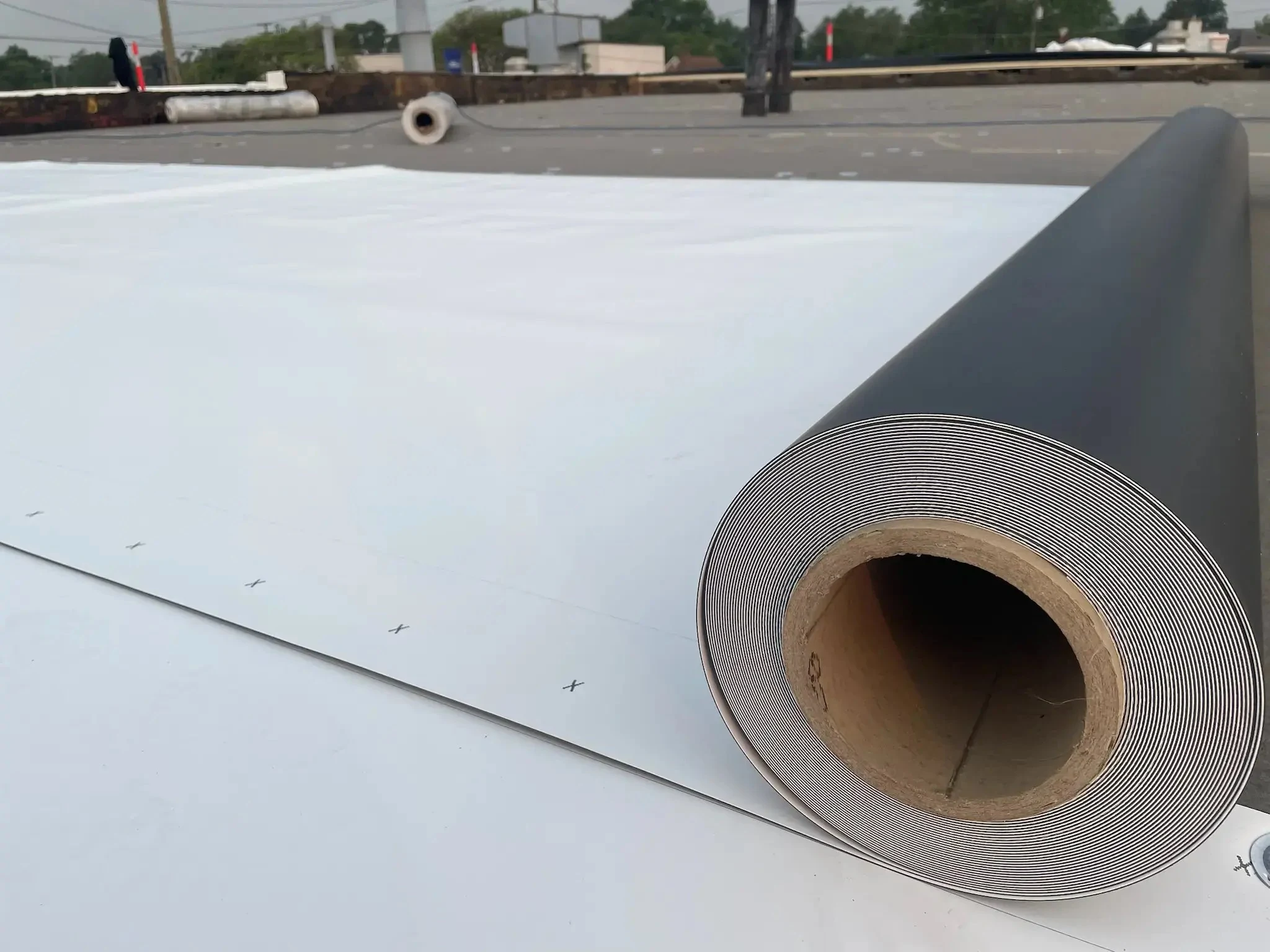
A lot of downtown Erie's commercial building stock has roof decks that have been patched, re-flashed, and built over multiple times since original construction, and those decks aren't always perfectly flat or consistent. SBS modified bitumen's multi-ply application, a base sheet plus one or more cap sheets, gives redundancy that a single-ply membrane doesn't offer on a deck with that kind of history. If one ply has a weak spot from an old patch or an uneven transition, the layer above it is still doing its job.
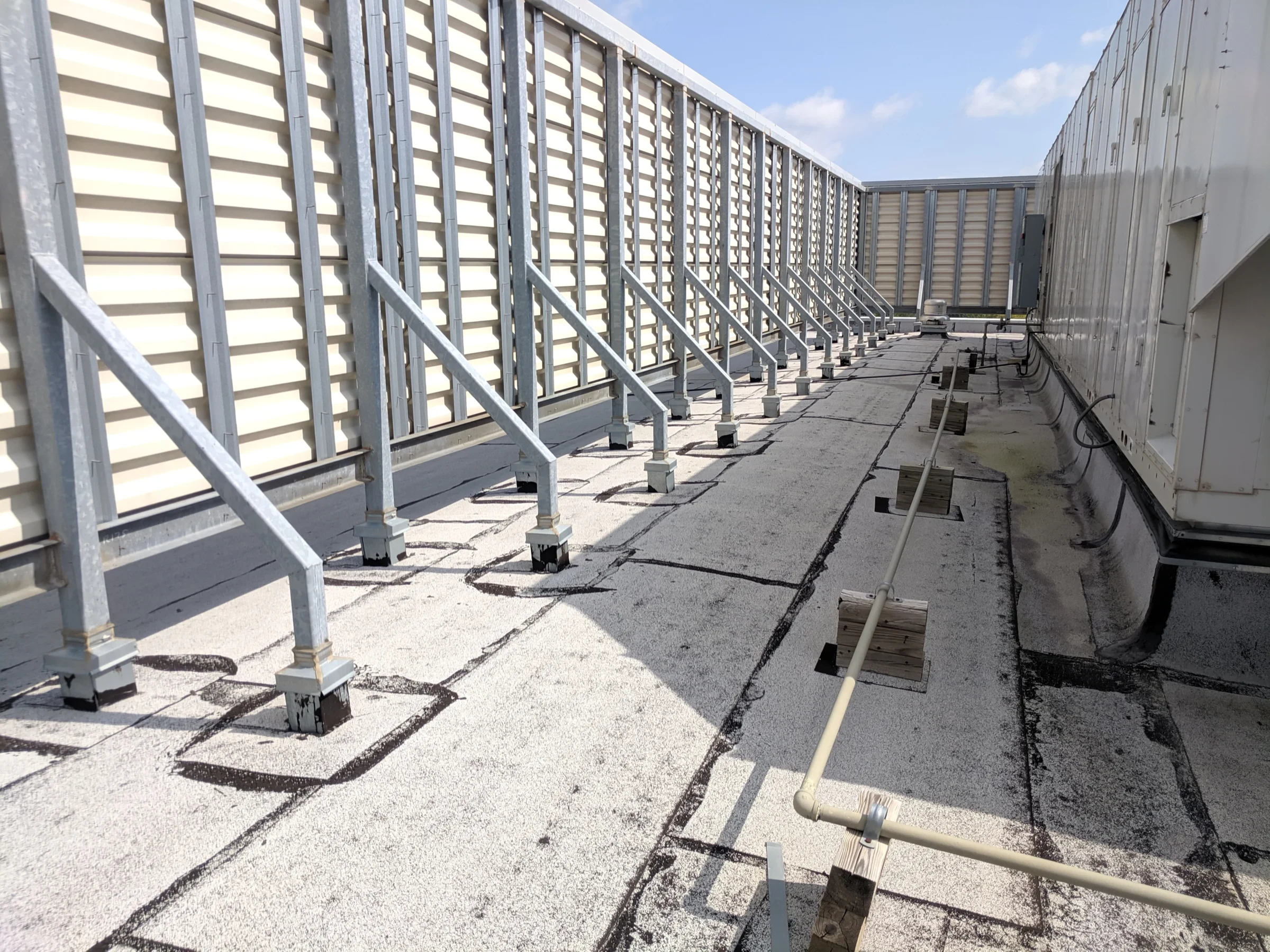
That redundancy matters most at the countless small penetrations and mechanical additions these older buildings accumulate over the years, satellite mounts, old chimney stubs, abandoned vent stacks, none of which were part of the original roof design and all of which need individual flashing attention during a modified bitumen installation.
Torch-Applied vs. Cold-Applied in a Cold Climate
Modified bitumen can go down torch-applied, using heat to fuse the layers, or cold-applied with adhesive, and the choice matters more in Erie than in a milder climate. Torch application gives a strong, well-fused bond but requires careful fire-safety protocol on occupied downtown buildings with tenants below, tight lot lines, and sometimes wood-frame construction nearby. Cold-applied systems avoid the open-flame risk entirely and can extend the practical installation season into cooler weather, which is a real advantage when lake-effect snow can arrive earlier than a project schedule accounts for.
We choose between the two based on the building's occupancy, adjacent construction, and the realistic install window rather than defaulting to one method, since a downtown building with active retail tenants below has different fire-safety constraints than a vacant industrial structure.
Retrofitting Over Built-Up Roofing
Many of these older buildings still have some or all of their original built-up asphalt-and-gravel roofing in place, sometimes with one or two recover layers added over the decades. Modified bitumen is often the most practical retrofit path because it can tie into that existing built-up system's flashing details and roof edge conditions more naturally than a single-ply membrane would, provided the existing insulation is dry and the deck is structurally sound.
We always confirm dry insulation with core cuts before recommending a recover over existing built-up roofing. Gravel-surfaced roofs hide moisture well, and installing new modified bitumen over wet insulation just seals the problem in rather than solving it.
Ice Buildup at Parapets and Low-Slope Transitions
Downtown Erie's older buildings often have minimal roof slope, sometimes closer to dead flat than current code would allow for new construction, which makes them more prone to ponding and ice formation at low points during a freeze-thaw winter. Ice that forms in a low spot and then gets covered by fresh lake-effect snow can sit against parapet walls and flashing details for weeks, well past the point a modern roof with better slope would have drained.
- Ponding history at low points, tracked across multiple freeze-thaw cycles
- Parapet flashing condition where ice tends to accumulate against masonry
- Drain and scupper function ahead of a rapid lake-effect thaw
- Old, abandoned penetrations left from prior mechanical or antenna equipment
- Cap sheet granule loss in areas with repeated foot traffic
- Base flashing condition at the transition to masonry parapets and walls
Where slope correction isn't practical within budget, tapered insulation added during a recover project can redirect water away from the worst low points without a full structural change to the roof deck.
Insulation Upgrades During a Modified Bitumen Recover
A modified bitumen recover project is often the best opportunity a building will get to add insulation that was never there originally, since many of these older downtown buildings were built before commercial roof insulation requirements existed in anything like their current form. Adding continuous insulation under a new modified bitumen system directly reduces winter heat loss and can noticeably even out interior temperatures on upper floors that previously ran cold near the roof deck.
We factor that insulation upgrade into every modified bitumen proposal on an older building, since it's usually the single highest-value change available during a reroof, more impactful long-term than the membrane choice itself.
Questions on Modified Bitumen Roofing Downtown
Is modified bitumen a good fit for a building that's still occupied during the work?
Yes, particularly with cold-applied systems, though we plan work sequencing and odor or noise notices around tenant schedules regardless of application method.
Can modified bitumen go directly over old built-up roofing?
Only after confirming dry insulation and a sound deck with core cuts. Wet insulation needs to be replaced first, not covered over.
How does torch-applied modified bitumen affect fire insurance requirements?
Some insurers and local fire codes have specific protocols for torch work on occupied buildings, which is part of why we sometimes recommend cold-applied systems downtown instead.
Does modified bitumen handle standing water better than single-ply membranes?
It tolerates occasional ponding reasonably well, but persistent standing water is a slope and drainage problem no membrane type solves on its own.
Is adding insulation during a recover always possible on an older roof?
Usually yes, though roof height, parapet clearance, and door threshold transitions sometimes limit how much thickness can be added without other modifications.
Ready to review the roof scope?