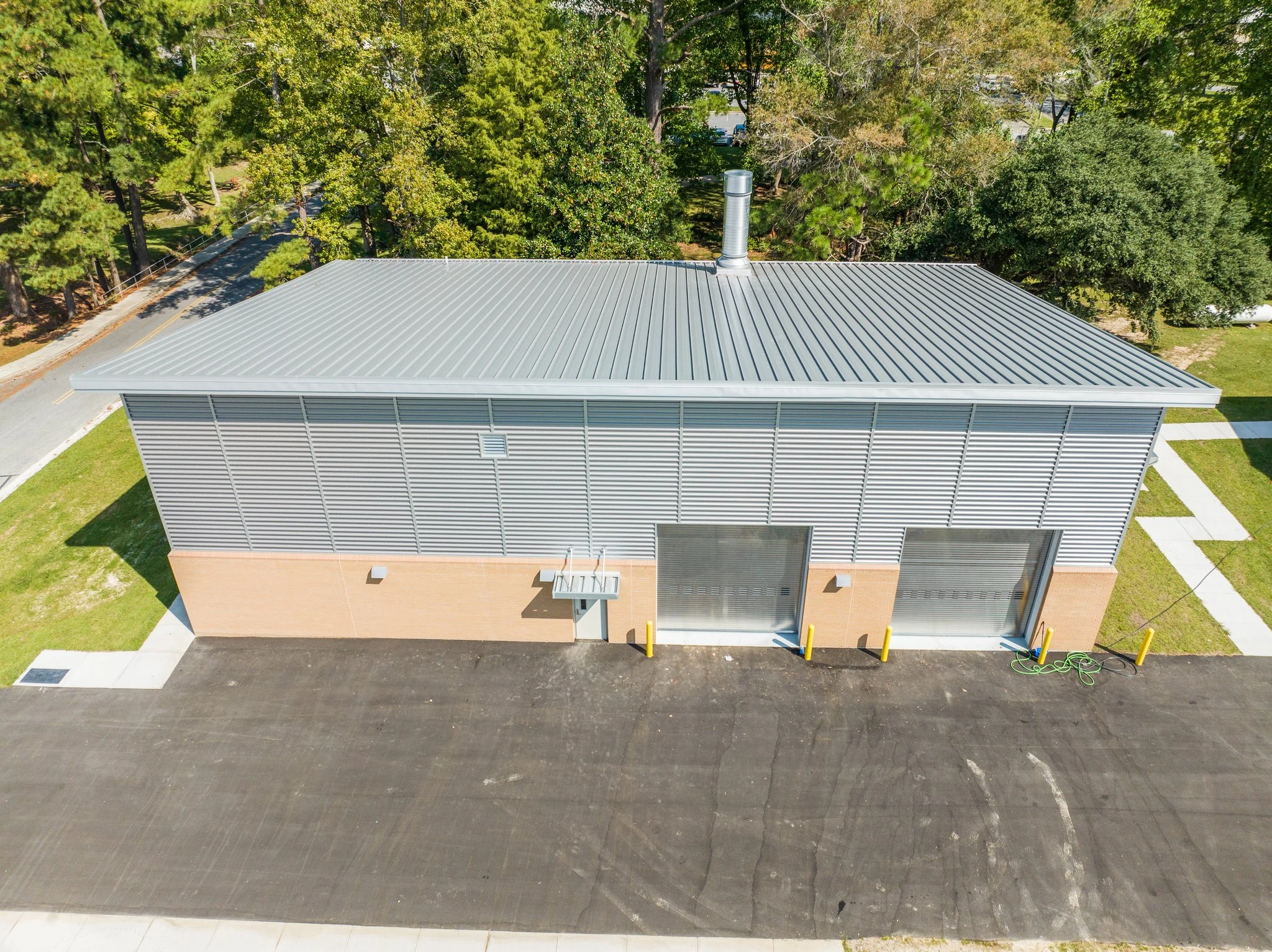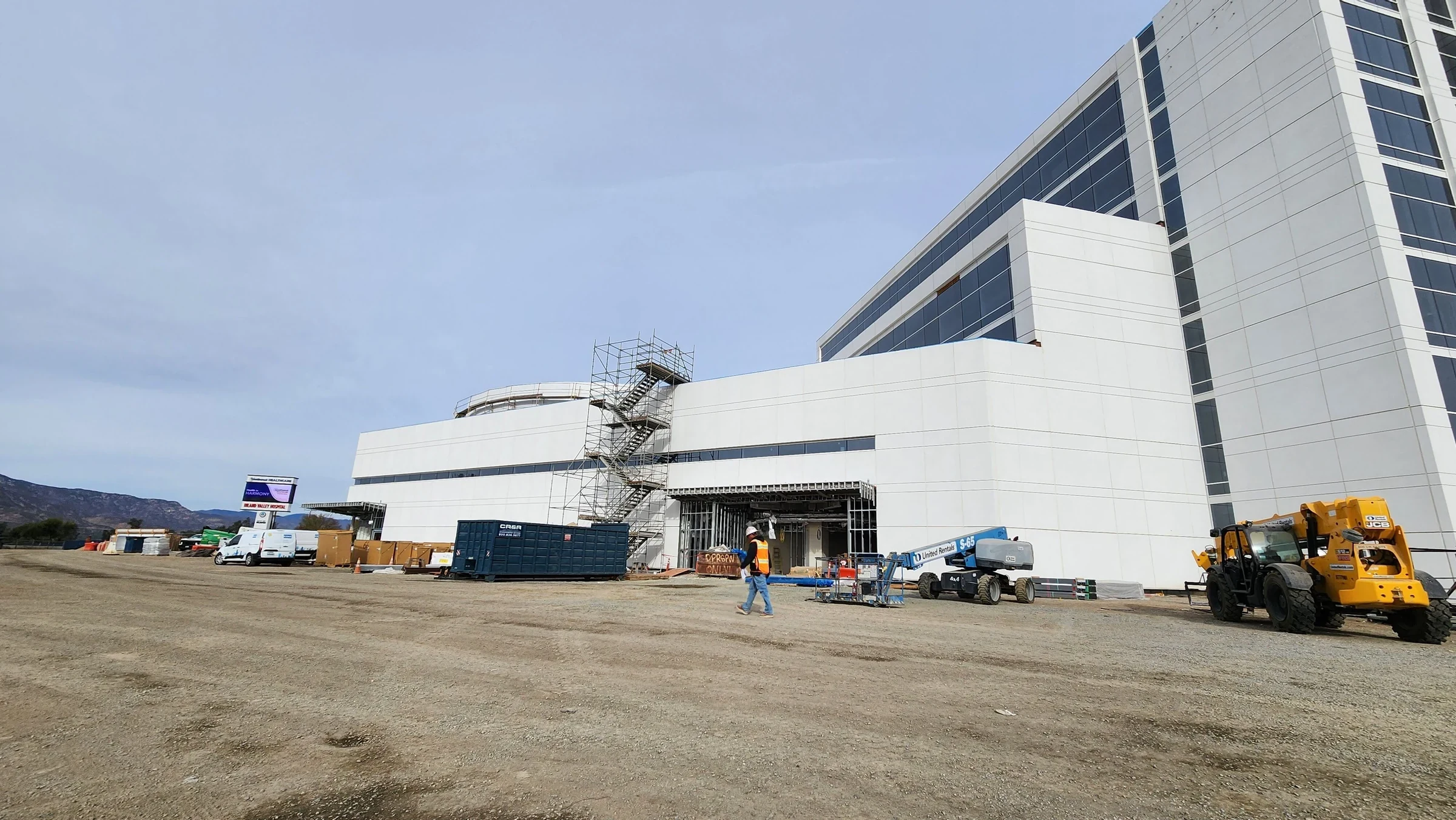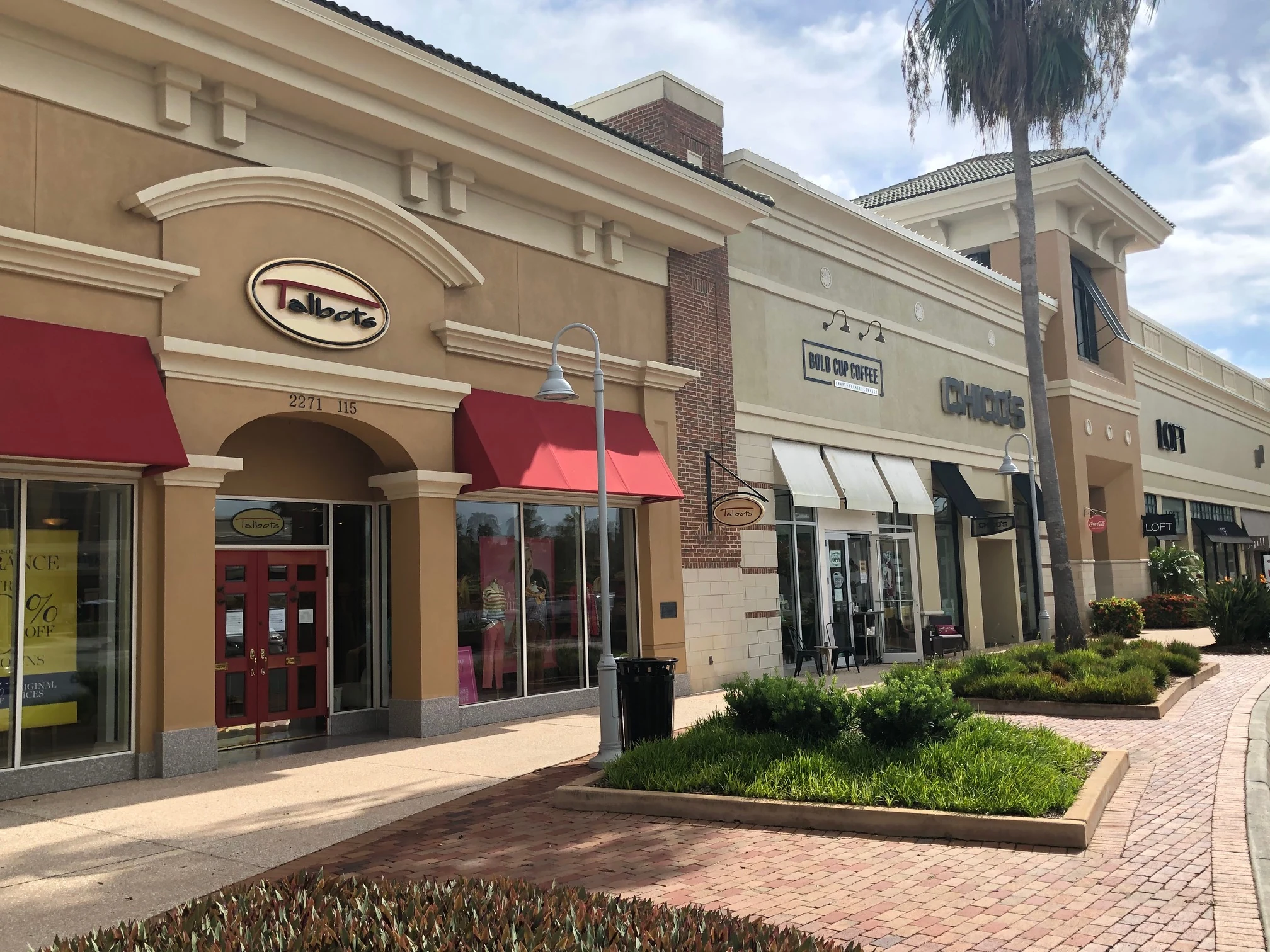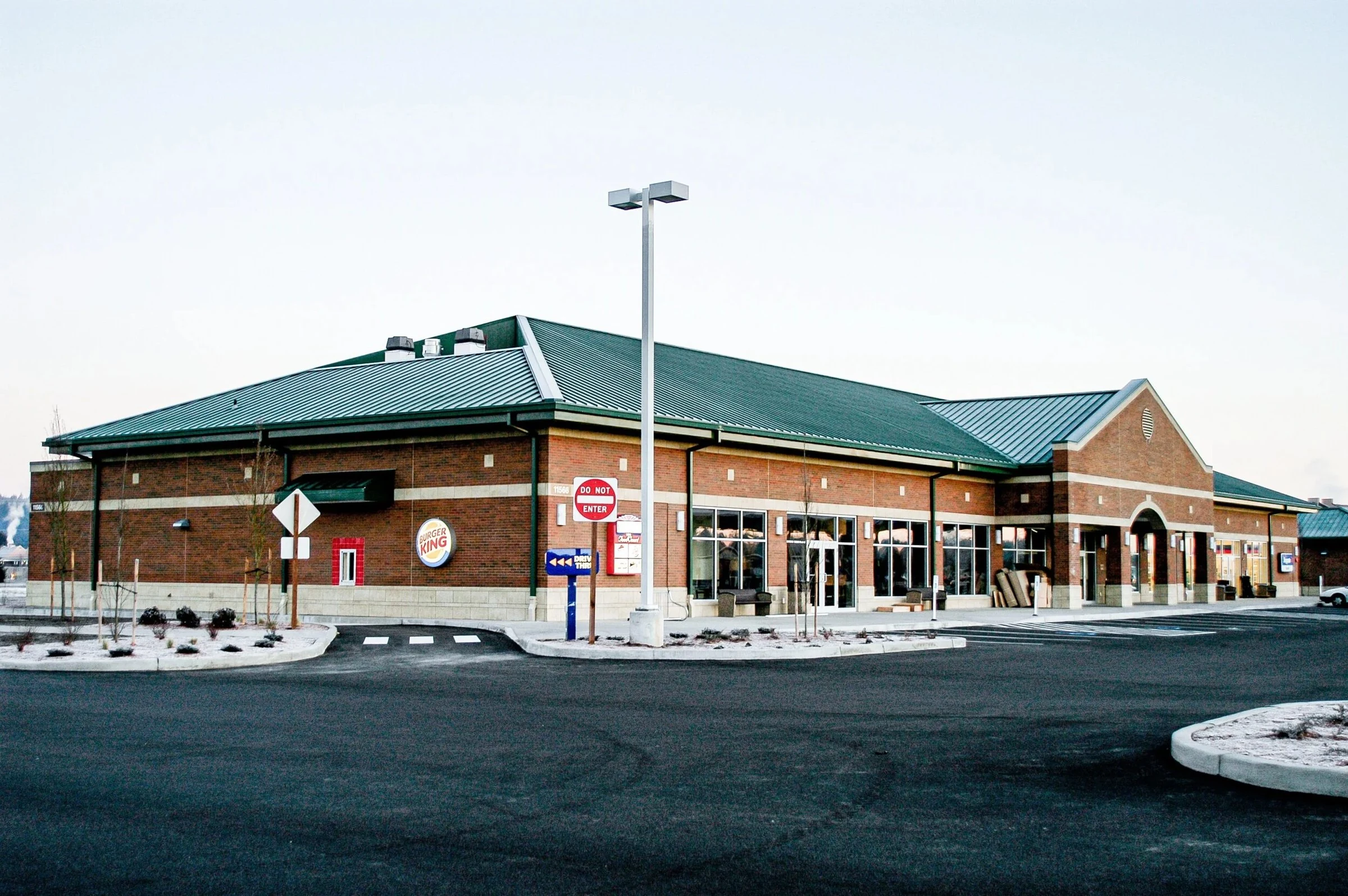
-
Roofing Subcontractor for General Contractors in Erie, PA
A Roofing Sub Built to Slot Into Your Erie Project Schedule
General contractors bring us in on new construction, additions, and tenant buildouts across the Erie market when the roofing scope needs a crew that shows up on the day committed to and doesn't hold up the trades scheduled after it. That's most of what a GC actually needs from a roofing sub: reliability against a schedule as much as a low number on the bid.
Bid Packages We Can Turn Around Fast
We review plans and specs the same week they come in, whether it's a new build in the Summit Township retail corridor, a warehouse addition near the port, or a tenant improvement inside an existing Millcreek retail box. Our bids break out membrane system, insulation package, and roof accessories separately so your estimator can see exactly where the number comes from and value-engineer without guessing.
Where the spec calls for a manufacturer we're not already certified with, we flag it early rather than after award. It's a faster conversation before contracts are signed than during a submittal review.
On design-build work where the roof system isn't locked yet, we'll price two or three system options against the building's actual use, a molding floor near Harborcreek's industrial parks needs a different insulation package than a Millcreek retail buildout, so your team has real numbers to bring to the owner instead of a single assumed spec.
Coordinating Roof Scope Against the Trades Above and Below It
Roofing sits in the middle of a lot of schedule dependencies: structural steel or deck below it, rooftop mechanical units and electrical conduit runs above it. On a project with rooftop RTUs going in after dry-in, we coordinate curb locations and penetration timing directly with the mechanical sub so nobody's cutting a hole in a roof we just finished sealing.
On multi-building projects, we sequence crews building to building so framing, deck, and roofing can leapfrog rather than waiting for one building to fully close before the next starts.
We also flag conflicts before they cost anyone a day. If a rooftop unit curb location shown on the mechanical set doesn't line up with the structural bay spacing on the roof plan, that's a call to the GC and the mechanical sub during shop drawing review, not a field discovery after the deck is already dried in.
Working Erie's Weather Window Into the Schedule
Erie's construction season has a real deadline built into it. Lake-effect snow starts affecting open roof work by mid-November most years and can run into April, so any project targeting a winter close needs dry-in locked down well before the lake turns the corridor into a snow machine. We build that constraint into our schedule commitments up front instead of discovering it in October.
Summer storms off Lake Erie can also roll in fast with little warning. We keep tear-off exposure on open decks to what we can dry in before a shift ends, which matters more on GC-managed sites where a rain delay ripples into every trade behind us.
Closeout Documentation That Doesn't Slow Down Your Certificate of Occupancy
Manufacturer warranties, inspection reports, and as-built roof plans go to the GC as soon as the work passes final inspection, not weeks later when someone remembers to ask. A few things we track and hand over as standard closeout:
- Manufacturer warranty registration and certification documents
- Final inspection report with photos by roof section
- As-built roof plan noting any field changes from the original spec
- Insulation and membrane product data sheets for the O&M manual
- Punch list sign-off with photo documentation of corrections
Change Orders Handled Without Stalling the Job
Conditions found once tear-off starts, wet insulation, deteriorated deck, or code-driven upgrades to insulation thickness, get documented with photos and priced same day whenever possible, so the GC isn't waiting on a change order while a crew stands idle on an open roof.
We'd rather call a superintendent directly with a problem and a number than route it through paperwork that adds a week to a decision that needs to happen before the next rain.
That same directness applies to insulation upgrades. If current energy code or an owner's operating-cost target calls for more R-value than the original spec, we'll price the difference against the schedule impact up front rather than surfacing it as a surprise line item at closeout.
What Erie GCs Ask Before Bringing Us Onto a Project
What manufacturer systems are you certified to install?
We install TPO, PVC, EPDM, modified bitumen, and standing seam metal systems across the major commercial manufacturers, and we'll confirm current certification status for any spec before bidding.
Can you meet an aggressive dry-in date on a design-build project?
We'll tell you honestly if a date is realistic once we see the roof area and system spec. We'd rather push back on a schedule early than miss a committed date.
Do you carry the insurance and bonding a commercial GC requires?
Yes, and we can provide current certificates and bonding capacity as part of the prequalification package before bid.
How do you handle roof scope on a multi-building or phased project?
We sequence crews by building or zone so roofing keeps pace with structural progress instead of becoming the bottleneck at the end of each phase.
What happens if you find deck damage after tear-off starts?
We photograph and document it immediately, price the correction, and get it in front of you the same day so the schedule doesn't sit while paperwork moves.
Ready to review the roof scope?