-
PVC Roofing in Erie, PA
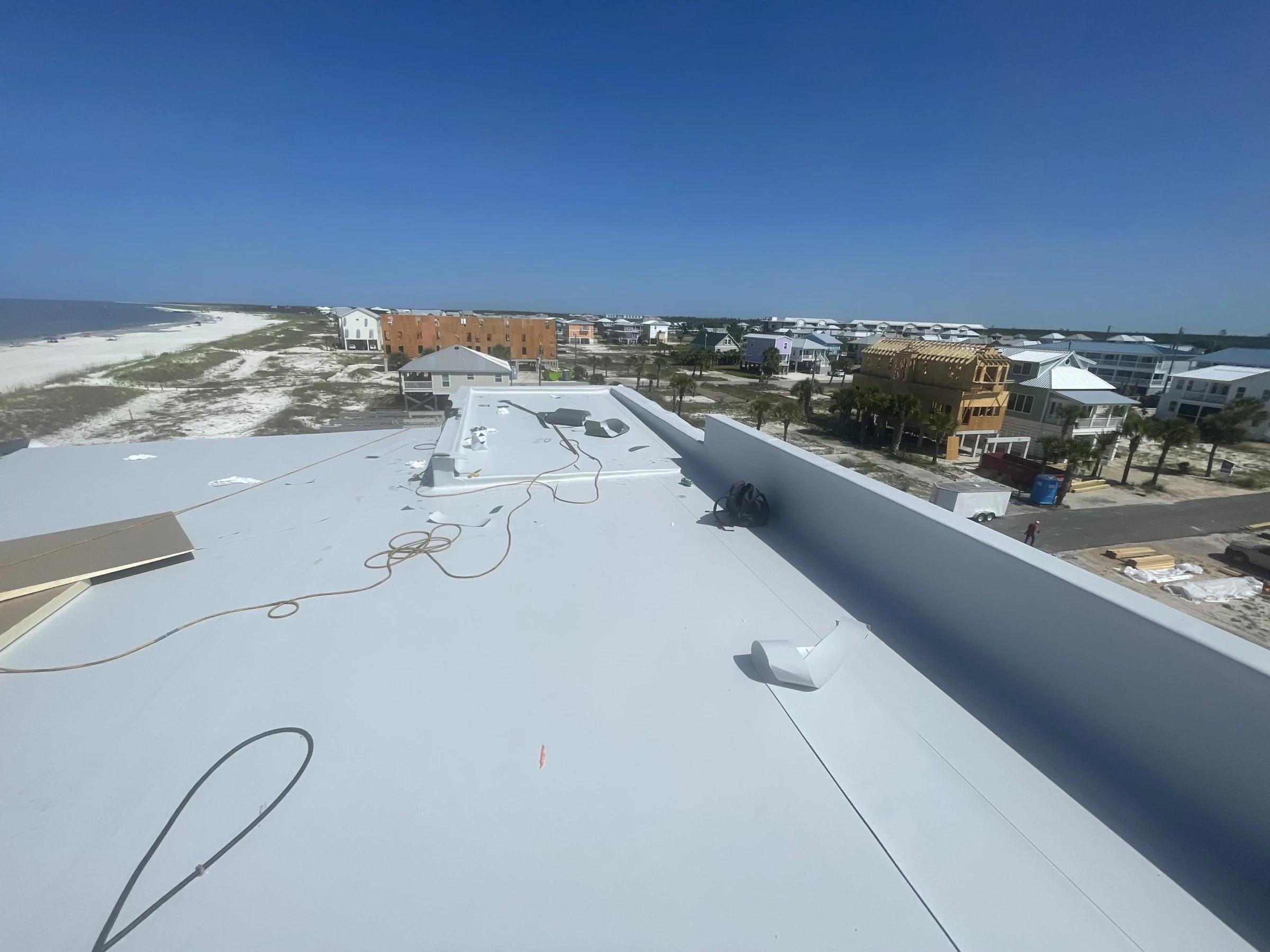
PVC Membrane for Erie's Plastics and Manufacturing Plants
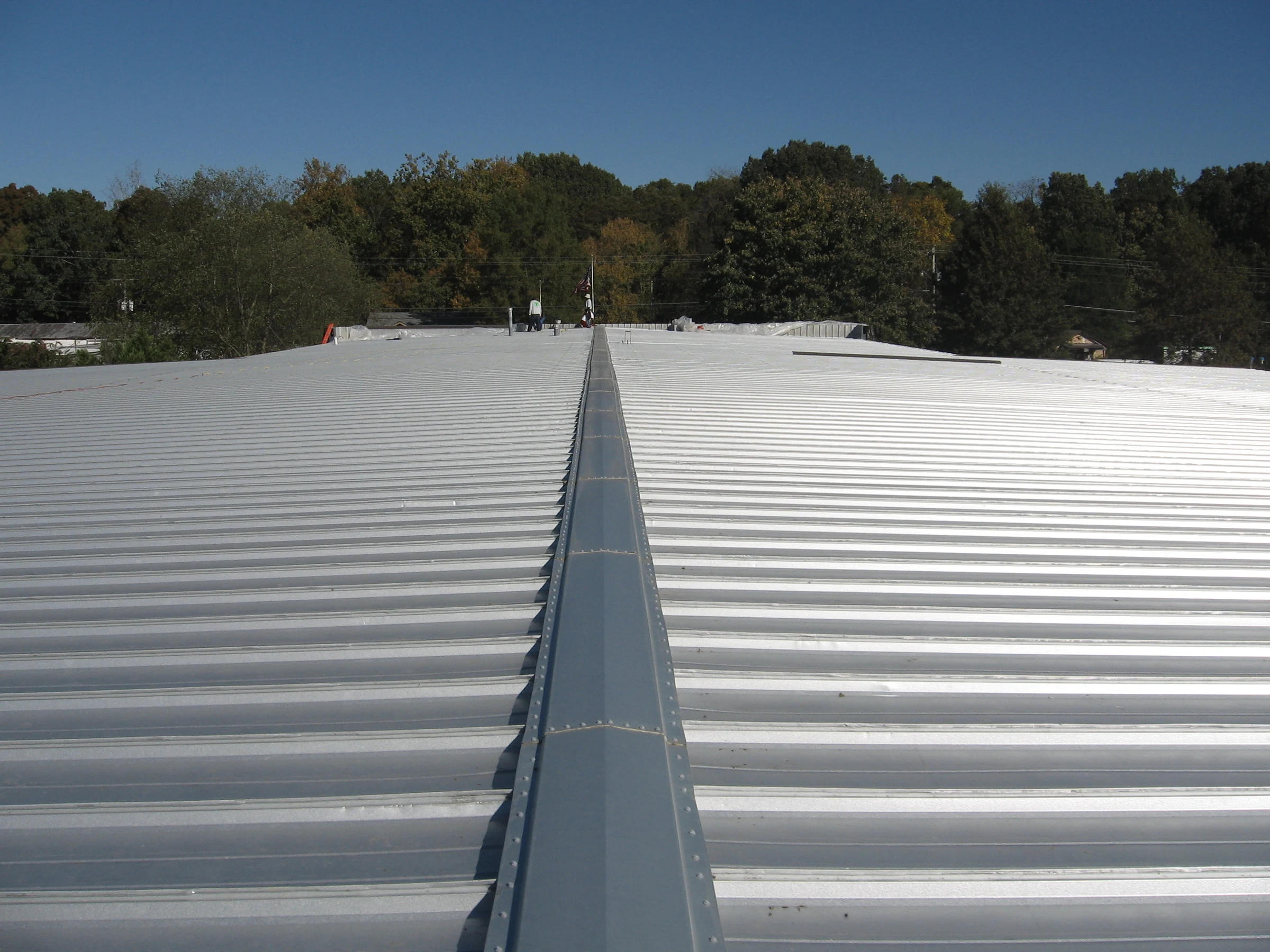
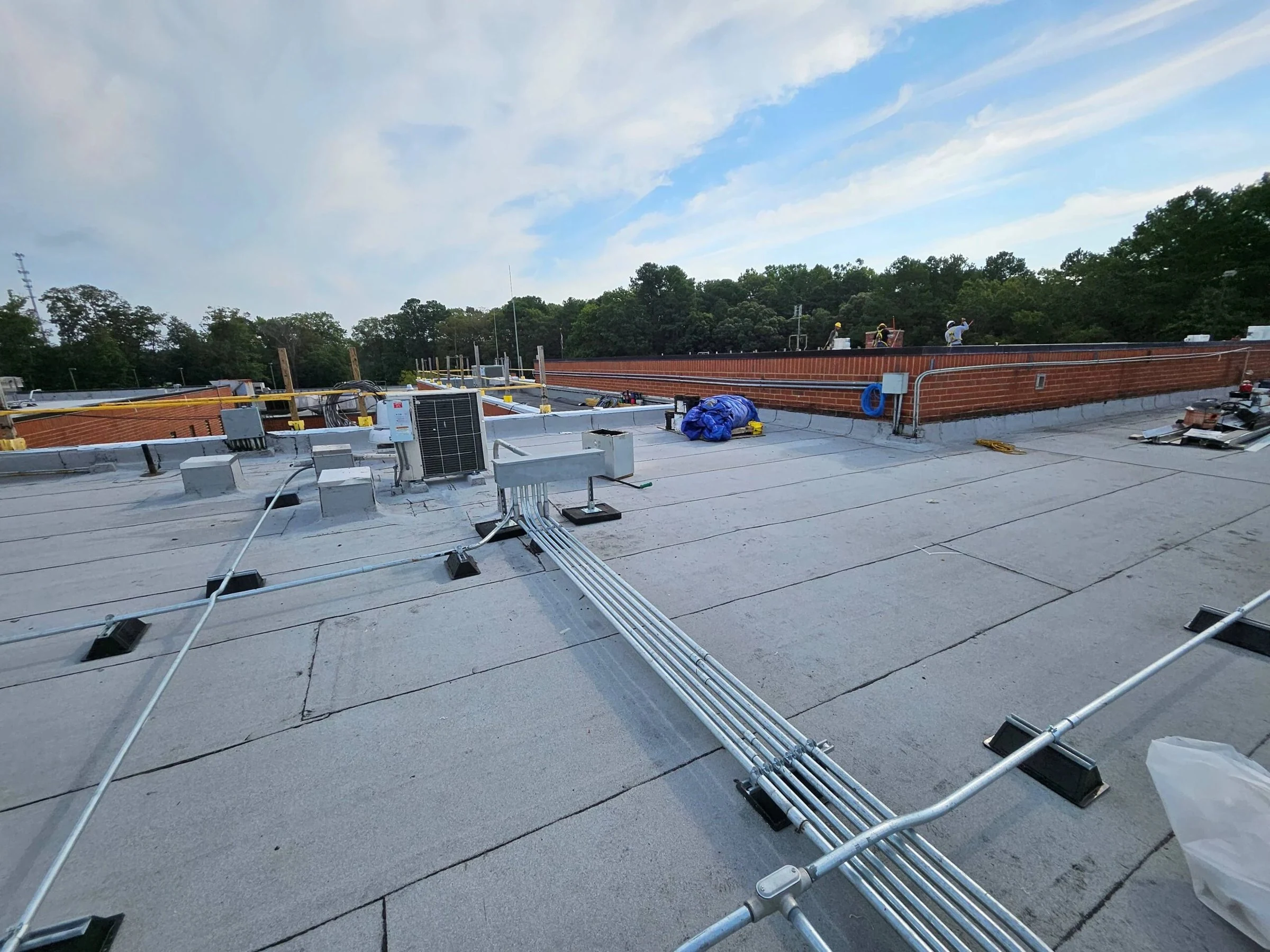
PVC single-ply membrane earns its place on Erie's industrial roofs where chemical exposure is part of daily operation. The plastics manufacturing and injection-molding shops scattered through the county vent process byproducts — grease, oils, and solvents in some cases — that break down other membrane types over time. PVC resists that exposure better than almost anything else we install.
Why PVC Handles Chemical Exposure Better
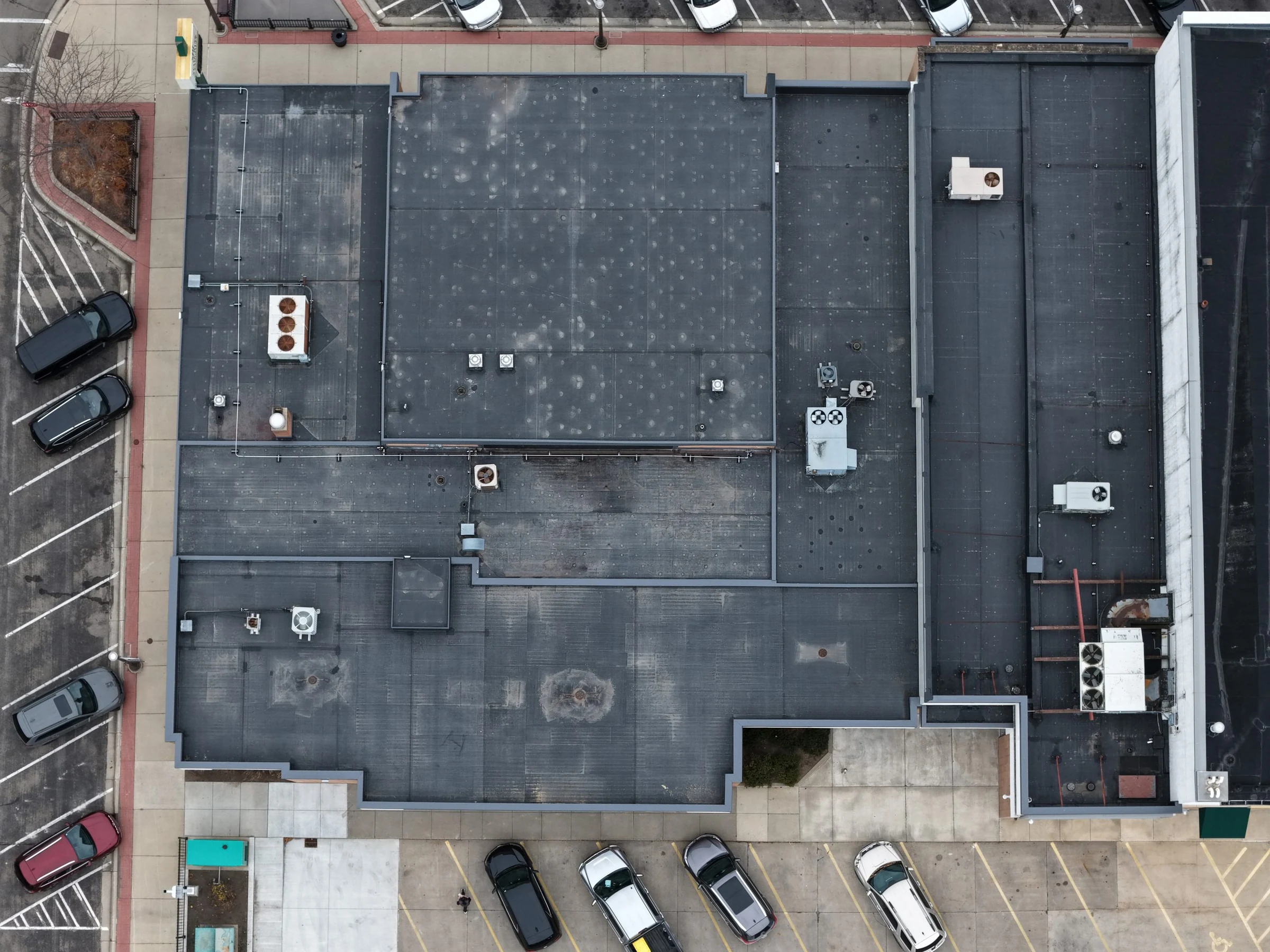
Rooftop exhaust from manufacturing processes, kitchen grease traps on restaurant and hospitality roofs, and general industrial venting all put contaminants on a membrane surface that TPO and EPDM weren't built to resist long-term. PVC's chemical composition holds up to oils, greases, and many common industrial chemicals without the softening or premature aging those substances cause on other single-ply systems.
We spec PVC specifically for plants with rooftop exhaust fans venting process air, and for any building where a kitchen or food-service tenant puts grease-laden exhaust directly onto the roof surface below.
Cold-Weld Seams and Erie's Install Window
PVC seams weld with heat the same general way TPO's do, but the material's chemistry tends to fuse into a slightly more consistent bond across a range of temperatures, which matters when a project has to run later into Erie's shortening fall install window than we'd prefer. We still hold to the same discipline — every seam gets probed, and marginal conditions get pushed to a better window when the schedule allows it.
Reflectivity and the Plant-Floor Heat Load
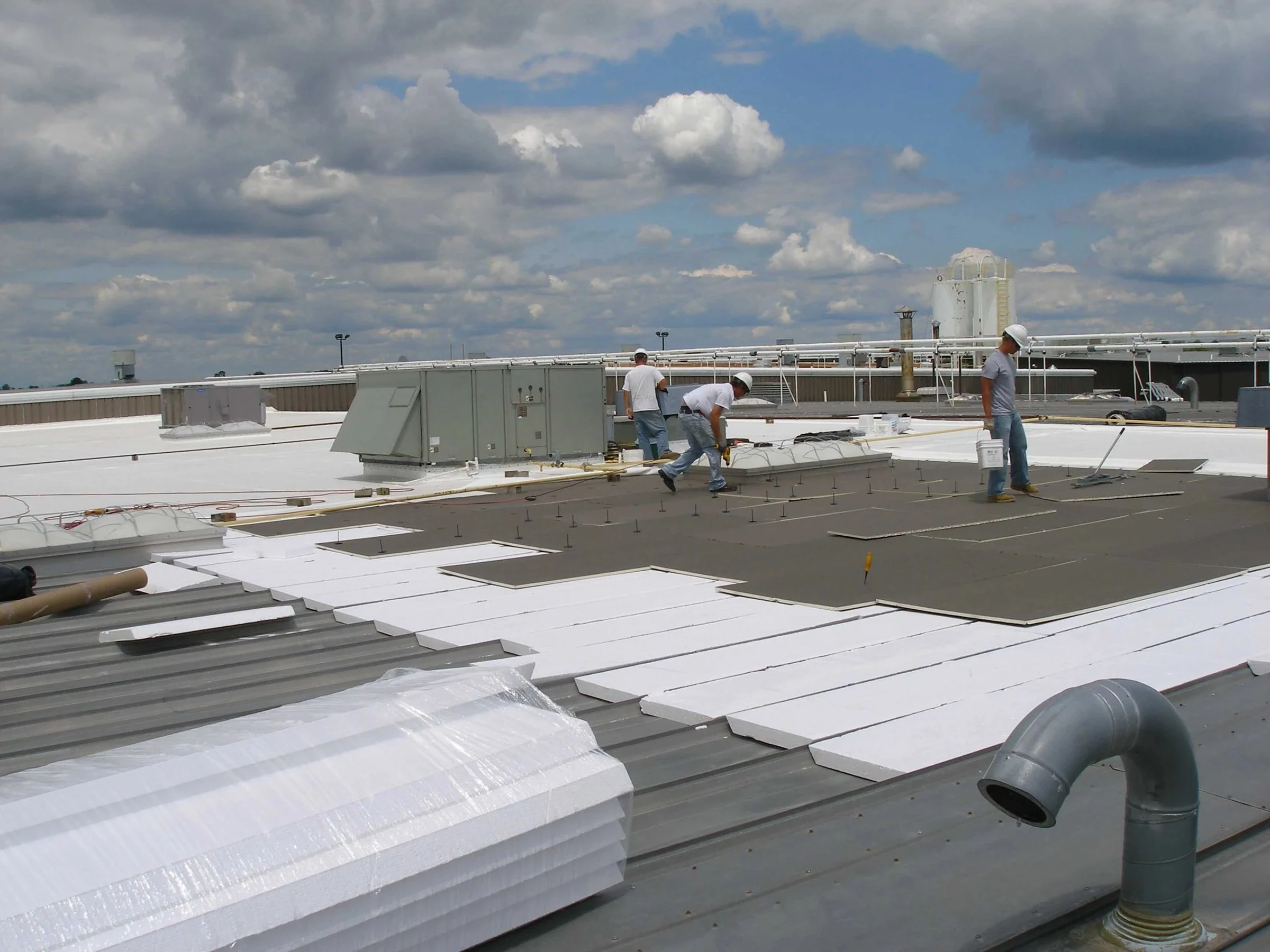
Manufacturing buildings often run process equipment that adds significant internal heat load on top of whatever the roof is doing. A reflective white PVC membrane helps keep rooftop surface temperatures down in summer, which takes some pressure off HVAC systems that are already working against equipment-generated heat inside the building. That reflectivity advantage compounds with good roof insulation to reduce the total cooling burden on a plant that's already running hot from production.
In winter, the same insulation package that helps in summer keeps heat from bleeding out through the deck, which matters more here across Erie's long heating season than the reflectivity does.
Freeze-Thaw Performance at Seams and Flashing
PVC's flexibility at low temperatures is a real advantage through Erie's repeated freeze-thaw cycling. A membrane that stays pliable in cold weather resists the cracking and seam stress that stiffer materials can develop after years of expanding and contracting through winter-to-summer swings. We pay particular attention to flashing details around rooftop penetrations, since that's where chemical exposure and thermal movement both concentrate stress at the same point.
Where We're Installing PVC
- Plastics and injection-molding manufacturing plants
- Buildings with process exhaust or chemical venting
- Restaurant and hospitality roofs with grease-laden kitchen exhaust
- Food processing and cold-storage facilities
- Manufacturing buildings supporting the Wabtec supply chain
- Institutional buildings requiring long-term membrane stability
Grease Traps and Roof-Mounted Exhaust
Restaurant and hospitality roofs deserve a specific mention. Grease-laden exhaust from kitchen operations settles on the surrounding membrane and, over time, breaks down materials not built to resist it. We route PVC seam layouts and flashing to keep exhaust discharge away from field seams where possible, and we recommend more frequent inspection cycles on any roof taking direct grease exposure, regardless of membrane type.
Plasticizer Content and Long-Term Flexibility
PVC membranes rely on plasticizer content to stay flexible over their service life, and lower-quality formulations can lose that plasticizer faster than premium products, leading to a membrane that stiffens and becomes more prone to cracking years before it should. We spec plasticizer-retentive formulations specifically because Erie's freeze-thaw pattern punishes a membrane that's already lost flexibility — a stiff membrane cracks under the same thermal movement a supple one absorbs without issue.
That's part of why we don't treat all PVC products as interchangeable. The manufacturer and formulation matter as much as the general membrane category when a roof is going to spend decades cycling through Lake Erie winters.
Cost Compared to TPO and EPDM
PVC typically carries a higher material cost than TPO and a meaningfully higher cost than EPDM, and we're straightforward with owners about that premium. It's justified on roofs facing chemical, grease, or oil exposure where a cheaper membrane would need replacement years sooner. On a standard warehouse roof with no chemical exposure concern, we'll usually recommend TPO instead, because paying the PVC premium there doesn't buy the owner anything the building actually needs.
Common PVC Questions
Is PVC worth the extra cost over TPO for a standard warehouse?
For a standard warehouse with no chemical exposure, TPO usually does the job at a lower cost. PVC earns its premium on roofs facing grease, oil, or chemical exposure that would degrade other membranes faster.
Does PVC handle Erie's freeze-thaw cycle well?
Yes. PVC stays flexible at low temperatures better than several alternative membranes, which helps it resist seam and flashing stress through repeated winter cycling.
Can PVC roofs be recognized directly over an existing EPDM roof?
Compatibility between membrane chemistries matters here. We evaluate the existing system's condition and use a compatible separator layer where needed rather than assuming direct compatibility.
What plants or building types benefit most from PVC?
Any building with rooftop process exhaust, chemical venting, or grease exposure is the clearest case. Plastics manufacturing and food-service buildings are where we spec it most often.
How often should a PVC roof with chemical exposure get inspected?
More frequently than a standard low-slope roof. We recommend at least twice-yearly inspection on any roof taking direct exhaust or grease exposure, plus a walk after any unusual production event.
Ready to review the roof scope?